Pediatric Rehab
What is pediatric physical therapy?
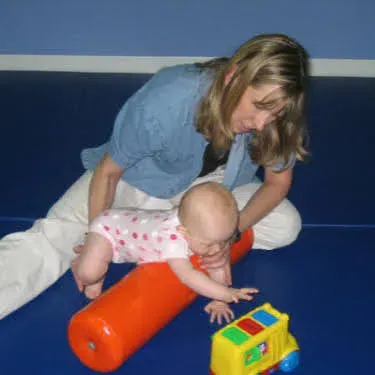
Pediatric physical therapy helps infants, children, and adolescents improve movement, strength, balance, coordination, posture, and gross motor skills. Because children learn through play, pediatric rehab often looks different from adult therapy. Sessions may include games, obstacle courses, climbing, balance challenges, strengthening activities, gait practice, stretching, and family education.
The goal is to help children participate more fully at home, school, in sports, on the playground, and in daily routines. Therapy may support developmental milestones, recovery from injury, confidence with movement, or management of a condition that affects strength or coordination.
At Mountain Town Rehab, pediatric rehab is family-centered. We work with caregivers to understand the child’s needs, personality, routines, and goals, then create a plan that feels engaging and practical.
Who benefits from pediatric rehab?
Pediatric physical therapy may help children with:
-
Gross motor delays
-
Balance or coordination challenges
-
Toe walking or gait concerns
-
Torticollis or positioning concerns in infants
-
Sports injuries or orthopedic pain
-
Neurologic or genetic conditions affecting movement
-
Strength, endurance, or mobility limitations
-
Recovery after injury or surgery
-
Difficulty keeping up with age-appropriate physical activities
Children do not need to “fail” at movement before therapy is appropriate. If parents, caregivers, physicians, or teachers notice a concern, an evaluation can help clarify whether therapy may be useful.
What to expect during treatment
The first visit includes a conversation with caregivers and an age-appropriate movement assessment. Your therapist may look at posture, strength, range of motion, balance, coordination, walking, running, jumping, transitions, and functional skills based on the child’s age.
Treatment is designed to be active and encouraging. A session might include balance games, strengthening through play, stretching, practice with stairs, jumping or hopping activities, ball skills, coordination tasks, or movement patterns that support developmental goals.
Caregiver education is an important part of pediatric therapy. Your therapist may suggest simple home activities that fit naturally into playtime, school routines, sports practice, or daily life.
Why choose Mountain Town Rehab for pediatric rehab?
Mountain Town Rehab offers compassionate, one-on-one pediatric care in a family-owned clinic. Our team includes providers with pediatric therapy experience as well as aquatic therapy, orthopedic rehab, neurologic rehab, and sports rehab backgrounds.
We understand that children are not small adults. Therapy should meet them where they are, build trust, and help families feel supported. Our goal is to make progress feel positive, understandable, and connected to real life.
Pediatric rehab FAQs
How do I know if my child needs physical therapy?
If your child has delayed milestones, frequent falls, pain, weakness, trouble with balance, difficulty keeping up, or changes after injury, an evaluation can help determine whether therapy is appropriate.
Will therapy feel like exercise to my child?
Sometimes, but pediatric therapy often uses play-based activities to build strength, coordination, and movement skills in an engaging way.
Can parents stay during the session?
In many cases, yes. Caregiver involvement can help children feel comfortable and helps families learn activities to practice at home.
Does pediatric rehab include sports injuries?
Yes. Pediatric rehab can support children and teens recovering from sprains, strains, overuse injuries, surgery, or pain that limits activity.
Related condition guides
Other physical therapy services
- Orthopedic Physical Therapy Comprehensive care for joint, muscle, and bone injuries to restore function, build strength, and reduce pain.
- Sports Rehab Treatment plans designed to help athletes recover from injuries and return to activity safely.
- Post-Surgical Care Guided rehabilitation after surgery to restore mobility, rebuild strength, and support healing.