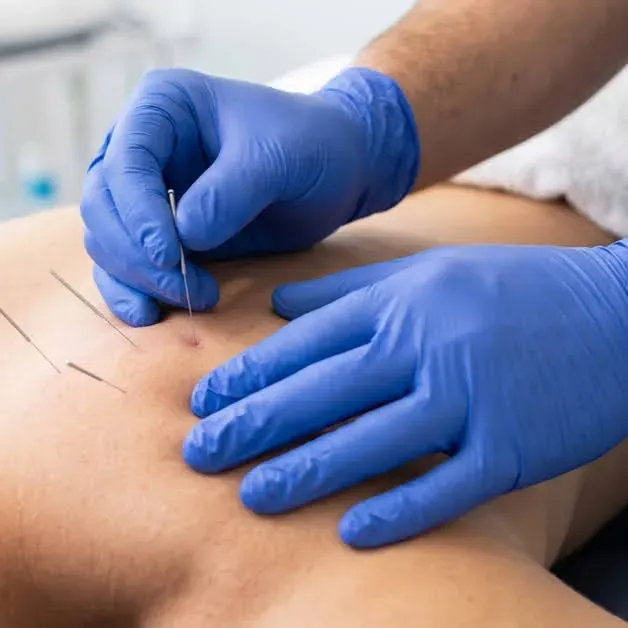
Dry Needling Therapy
What is dry needling?
Dry needling is a physical therapy technique that uses very thin, solid needles to target tight, tender, or irritable areas of muscle often called trigger points. Nothing is injected into the body, which is why it is called “dry” needling.
Trigger points can contribute to local pain, referred pain, muscle tightness, limited motion, and difficulty using an area normally. Dry needling is intended to help reduce muscle tension, improve movement, and make it easier to participate in the rest of your therapy plan.
At Mountain Town Rehab, dry needling is not used as a stand-alone quick fix. It is paired with movement, stretching, strengthening, posture or activity education, and other therapy strategies so the improvement can carry into daily life.
Who benefits from dry needling?
Dry needling may be considered for people with:
-
Muscle tightness or trigger points
-
Neck, shoulder, back, hip, or leg pain related to muscle irritability
-
Headache patterns associated with muscular tension
-
Tendon or overuse-related pain when appropriate
-
Limited range of motion due to muscle guarding
-
Sports or orthopedic injuries with persistent soft tissue tightness
-
Pain that makes exercise or movement progression difficult
Dry needling is not appropriate for every patient or every condition. Your therapist will review your history, symptoms, comfort level, and any precautions before recommending it.
What to expect during treatment
Your therapist will first evaluate your symptoms and explain why dry needling may or may not be helpful. If it is appropriate and you agree to the treatment, the therapist will identify the target muscle area, clean the skin, and place a thin needle into or near the trigger point.
You may feel a small prick, pressure, aching, or a brief muscle twitch. Some people feel sore afterward, similar to post-exercise soreness. Your therapist will explain what to expect and what movements or stretches may help after the session.
Dry needling is usually followed by exercise or movement practice. That step matters because the goal is to help your body use the improved mobility or reduced tightness in a functional way.
Why choose Mountain Town Rehab for dry needling?
Mountain Town Rehab provides dry needling as part of individualized physical therapy, not as a generic add-on. Our team includes physical therapists certified in dry needling, including Mark Stansberry, Alex Stansberry, and Kristi Pifer, along with orthopedic and sports rehab experience.
Because your visit is one-on-one, your therapist can monitor your response, adjust the plan, and connect the technique to your bigger goals, such as lifting, walking, sleeping, exercising, or returning to sport.
Dry needling FAQs
Is dry needling the same as acupuncture?
No. Both use thin needles, but dry needling is based on musculoskeletal evaluation and targets muscle and movement problems within a physical therapy plan.
Does dry needling hurt?
You may feel a prick, pressure, aching, or a twitch response. Some soreness afterward can happen. Your therapist will talk you through the process and adjust based on your comfort.
How many dry needling sessions will I need?
It depends on your condition and how your body responds. Dry needling is usually combined with exercise and other treatment, so the full plan matters more than the number of needling visits alone.
Can anyone receive dry needling?
No. Some medical conditions, medications, skin issues, needle anxiety, or other factors may make dry needling inappropriate. Your therapist will screen before treatment.
Related condition guides
- Low Back Pain Dry needling may support a broader plan for muscle-related back pain.
- Neck Pain Address neck muscle sensitivity along with mobility and strengthening work.
- Shoulder Pain Combine dry needling with rehab for shoulder mobility and function.
- Tennis Elbow Care for elbow pain with loading, activity changes, and symptom management.
- Rotator Cuff Injury Support shoulder recovery with manual care, exercise, and progressive loading.
Other physical therapy services
- Orthopedic Physical Therapy Comprehensive care for joint, muscle, and bone injuries to restore function, build strength, and reduce pain.
- Sports Rehab Treatment plans designed to help athletes recover from injuries and return to activity safely.
- Post-Surgical Care Guided rehabilitation after surgery to restore mobility, rebuild strength, and support healing.